Plants We've Actually Grown
Every plant in the shop has spent at least four weeks in our back greenhouse before it goes on the floor. We don't sell anything we haven't watched through at least one full growth cycle.
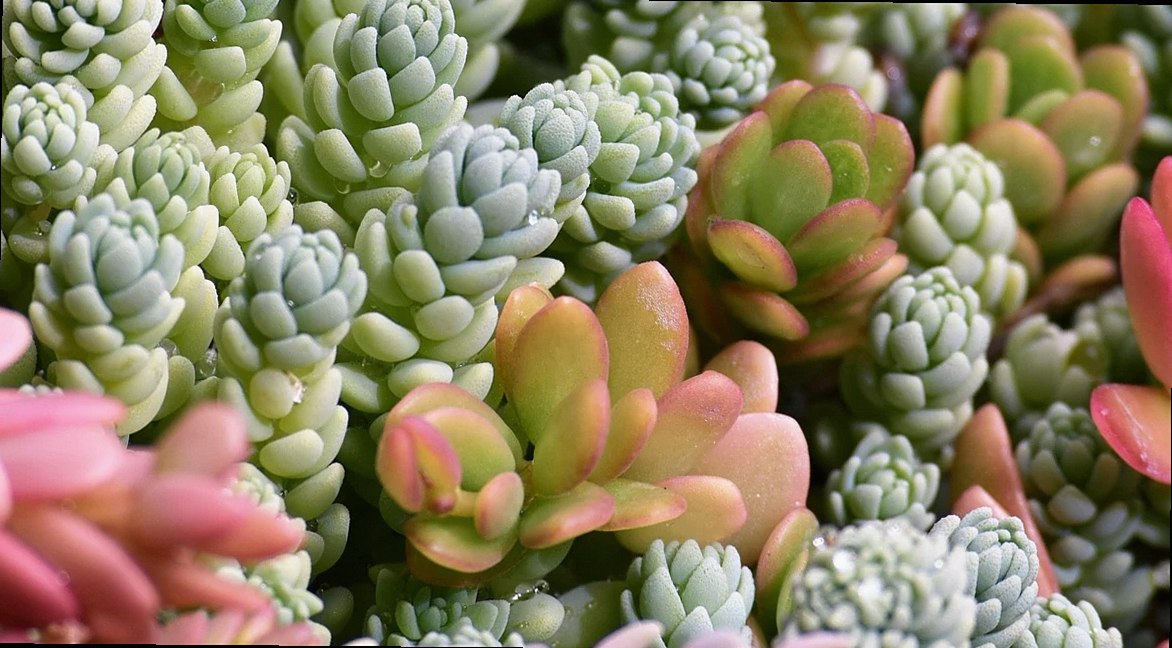
Haruki Shimizu opened Plant Care Nest in the spring of 2019 in a narrow shopfront on Tanbabashi-suji, a street in Fushimi that most people walk past on the way to somewhere else. He'd spent the previous six years working at a wholesale nursery in Uji, learning which plants survived the Kyoto summer and which ones didn't, and why. The shop started with forty plants, a folding table, and a handwritten sign. The first week, three people came in. One of them bought a small Haworthia and came back the following Saturday with a question about watering. That felt like enough to keep going.
"I brought in a fern that had been slowly dying for eight months. Haruki looked at it for about thirty seconds, said 'too much light, wrong soil,' and fixed it on the spot. It's been fine ever since."
There is a particular kind of late-autumn afternoon — the light going amber, the windows fogged at the edges — when the temptation is to repot everything at once. The monstera has been sulking since September. The succulent collection near the south-facing sill looks pale and waterlogged. And yet reaching for the nearest bag of multipurpose compost and calling it done is precisely the habit that keeps houseplants from ever truly thriving. The problem, more often than not, is not the plant and not the light and not the watering schedule. It is the soil itself — too dense, too moisture-retentive, too forgiving of a mixture that suits a hanging basket in a garden centre rather than a lithophyte clinging to a cliff face in Yunnan. Understanding what soil actually does, and what each of its components contributes, is the quiet shift that separates the keeper of plants from the grower of them.
Read more →By mid-July, Kyoto stops pretending. The heat that arrives in the basin is not the breezy warmth of early Jun…
There is a particular quality of light on a late-October afternoon — low, amber, slanting through the kitchen…
Every plant in the shop has spent at least four weeks in our back greenhouse before it goes on the floor. We don't sell anything we haven't watched through at least one full growth cycle.
We blend our own potting mixes using akadama, kanuma, and perlite sourced from Tochigi Prefecture. The ratios change by plant family. We don't sell a single all-purpose bag.
Most of our ceramic pots come from two kilns in Shigaraki and one in Tamba. We visit each one twice a year and pick pieces by hand. No mass-produced imports.
Every plant leaves with a handwritten care card. Not a QR code to a generic website. An actual card, written for the specific plant you're taking home, in the season you're buying it.